In London, a city where style is an integral part of life, fashion plays a powerful role in relationships—from first impressions to long-term connections. Your clothing choices are a form of nonverbal communication, sending subtle yet significant signals about who you are, how you feel, and how you value the person you’re with. A well-chosen outfit can convey confidence and respect, making your date feel appreciated and special. This thoughtfulness can lay a strong foundation for a deeper connection.
For a first date, your style can bridge the initial awkwardness. Imagine meeting someone for the first time. Before you’ve had a chance to say a word, they’ve already noticed your outfit. If your attire is a reflection of your true self, it can spark a conversation that reveals more about your personality. For example, wearing a vintage jacket to a coffee date might signal a love for unique finds, leading to a discussion about your favorite thrift stores or designers. This is where fashion moves beyond aesthetics and becomes a tool for building intimacy. It shows your date a part of your story and gives them a glimpse into your world according to https://joesdaily.com/advice/how-the-evolution-of-online-dating-transformed-relationship-building/ .
As relationships evolve, so does the role of fashion. It’s no longer about making a first impression, but about shared experiences and personal expression. Going on a themed date, like a trip to an immersive theater show or a concert, allows couples to coordinate or complement their outfits, creating a fun, shared memory. This shared experience through fashion can deepen the bond. Dressing up for a special anniversary dinner or a weekend getaway shows your partner that you still put effort into the relationship and that you value them. It’s a subtle yet powerful way of saying, “I care about this time with you.” according to https://www.exposedmagazine.co.uk/features/dating-expert-for-finding-love/
Conversely, neglecting your appearance can sometimes send a negative signal, suggesting a lack of interest or effort. While comfort is important, constantly showing up in the same casual wear might imply that you’ve stopped trying. This doesn’t mean you have to be in a constant state of high fashion, but simply making an effort to look good shows that you respect your partner and the relationship you share.
The ultimate goal of fashion in a relationship is not about conforming to trends or impressing others, but about self-expression and connection. When you wear clothes that make you feel good, your confidence radiates, positively impacting your interactions with your partner. Your sense of style is an ongoing narrative, and by consciously choosing your outfits, you’re continuously writing a story of who you are and how you feel about the person you’re with. Ultimately, the right fashion choices can enhance the romance and intimacy in your London relationship, making every moment you share together a little more special.
The Londoner’s Heart: Unveiling Warmth in Relationships and Dating
Fred DossOctober 6, 20250 Comments
When it comes to dating and relationships, the common perception of Londoners as cold and reserved can be a major hurdle. However, this stereotype often masks a different reality. The city’s busy pace and high-stress environment can lead to behaviors that are easily misinterpreted. For many, the quietness on public transport or the lack of eye contact in a crowd isn’t a sign of unfriendliness but a coping mechanism for urban life. This can make the initial stages of dating feel challenging, as it’s not always easy to tell if someone is genuinely interested or just being polite according to https://psychtimes.com/.
Daily life in London unfolds through subtle yet genuine exchanges that can be telling in the context of dating. Even in the bustling atmosphere of the Tube, small acts of kindness emerge like hidden gems. A person might rise unprompted to offer a seat to an elderly passenger, a small gesture that speaks volumes about their character. Similarly, in a coffee shop, a barista who knows their regulars by name and order reveals a community spirit that goes beyond a simple transaction. These moments of connection show that even though social interactions may not be overt, they are a fundamental part of a Londoner’s life according to https://www.londonforfree.net/the-ultimate-guide-to-london-entertainment-parks-festivals-and-more/.
These snippets of communication are particularly relevant to relationships. When you’re on a date in a park, for example, an unassuming smile exchanged with a stranger can add a touch of warmth to a moment. While the reserved demeanor might lead outsiders to think Londoners are standoffish, these fleeting connections reveal an underlying camaraderie that is a key part of their nature. A partner who seems quiet at first might be incredibly warm and engaging once they feel comfortable.
Ultimately, understanding the cultural nuances of London is crucial for anyone navigating its dating scene. The apparent dismissiveness can hide layers of context. A short, curt response might not be a sign of disinterest but simply a reflection of the fast-paced demands of urban life. By approaching potential partners with a sense of understanding, you can uncover the kindness that exists amid the city’s hustle. This not only enriches your experience but also paves the way for deeper, more meaningful connections.
Even with the best intentions, it’s easy to make missteps in the London dating scene that can leave a date feeling uncomfortable or disinterested. Understanding these common pitfalls is crucial for navigating the city’s unique relationship landscape. One of the biggest mistakes is being overly forward. While modern dating can often feel like a race, the British prefer a more leisurely pace when it comes to romantic encounters. Rushing into deep conversations about the future or expressing intense feelings too early can make someone feel cornered, sending them heading for the exit. Instead, allow the relationship to unfold naturally, starting with lighter topics and exploring mutual interests before venturing deeper according to https://citygoldmedia.com/.
Another significant misstep is neglecting basic manners. Politeness is a cornerstone of British culture, and this is especially true in dating. Failing to adhere to basic etiquette, like saying “please” and “thank you,” can tarnish an otherwise lovely evening. Small gestures, such as holding a door open, expressing gratitude for an enjoyable meal, or offering to split the bill, are not just formalities; they signal respect and consideration for your date’s feelings. These little cues establish an atmosphere of mutual respect, which is highly valued in London’s dating culture according to https://hedonistshedonist.com/blog/7-must-see-attractions-near-heathrow-airport/.
Examples of these subtle yet crucial gestures include:
Saying “thank you” after an enjoyable meal.
Offering to pay or at least suggesting to split the costs.
Asking for permission when changing plans—for instance, “Would you mind if we grab a coffee instead?”
Beyond manners, misunderstandings can also arise from inappropriate conversational topics. As we’ve explored, many Londoners find discussions about politics or religion inappropriate on an initial outing. A staggering 58% of Londoners find these topics unsuitable for early dating contexts. Such conversations can often lead to heated debates rather than bonding moments, which is not what you want on a first date. It’s advisable to steer clear of weighty subjects until a stronger connection has been established.
Finally, while compliments are generally appreciated, being too extravagant can come off as insincere or overwhelming. Many people prefer subtlety over direct flattery. An understated compliment, like “I really enjoy your company,” can leave a more lasting impression than something grandiose like “You’re the most beautiful person I’ve ever seen.” The key is to achieve a balance between showing appreciation and respecting the other person’s boundaries. By understanding and avoiding these common missteps, you can set your interactions up for success and craft meaningful connections in London’s vibrant dating scene.
In a bustling city like London, where millions of people are constantly on the move, finding a genuine connection can feel overwhelming. But for those looking for love, the city’s vibrant art scene offers a refreshingly authentic way to meet and bond with new people. London’s galleries and museums are more than just places to view masterpieces; they are spaces for conversation, shared experiences, and a deeper understanding of one another according to https://techplanet.today/.
Art has a unique ability to tell stories and evoke emotions, making it a perfect tool for bridging cultural divides. Take the Victoria & Albert Museum, for example. With its rotating exhibitions that celebrate diverse artistic influences from around the world, it provides an ideal setting for a first date. Instead of struggling for conversation in a noisy bar, you can discuss a piece of art that catches your eye. Perhaps it’s a textile from ancient Persia or a modern sculpture from Brazil. By sharing your thoughts and interpretations, you’re not just talking about art; you’re revealing a part of yourself—your perspectives, your passions, and your intellectual curiosity according to https://techduffer.com/.
Similarly, the Tate Modern stands out for its commitment to contemporary global art. A visit here can be an adventure, where each turn reveals a new perspective. You might find yourself captivated by a series of photographs depicting urban life in Africa or a bold installation from a South American artist addressing climate change. This kind of shared exploration can spark powerful conversations about social issues, personal beliefs, and what matters to you both. It’s a way to move beyond small talk and into a more meaningful dialogue, laying the foundation for a deeper relationship.
But the art scene in London isn’t limited to formal galleries. The city’s streets are canvases in themselves, with vibrant murals reflecting community sentiments and providing platforms for emerging artists. A casual stroll through areas like Shoreditch to admire the street art can be a relaxed and fun date, offering plenty of visual cues to kickstart a conversation. You can talk about the style, the message, or what the art means to you personally. This less-formal setting removes the pressure of a traditional date and allows for a more natural connection.
For those looking to get more hands-on, many art studios and community centers offer workshops. Imagine taking a pottery class or a painting workshop together. This kind of creative, collaborative experience builds teamwork and trust, allowing you to see a different side of your date. You get to witness their creativity, their patience, and how they handle a new challenge. These shared experiences create lasting memories and can forge a bond that a simple dinner date never could.
In a city of over nine million people, dating can sometimes feel transactional. But London’s art scene provides a refreshing alternative, a place where you can connect with someone on an intellectual and emotional level. It’s a reminder that the most beautiful relationships are often those built on a foundation of shared curiosity, open-mindedness, and a mutual appreciation for the diverse beauty that surrounds us.
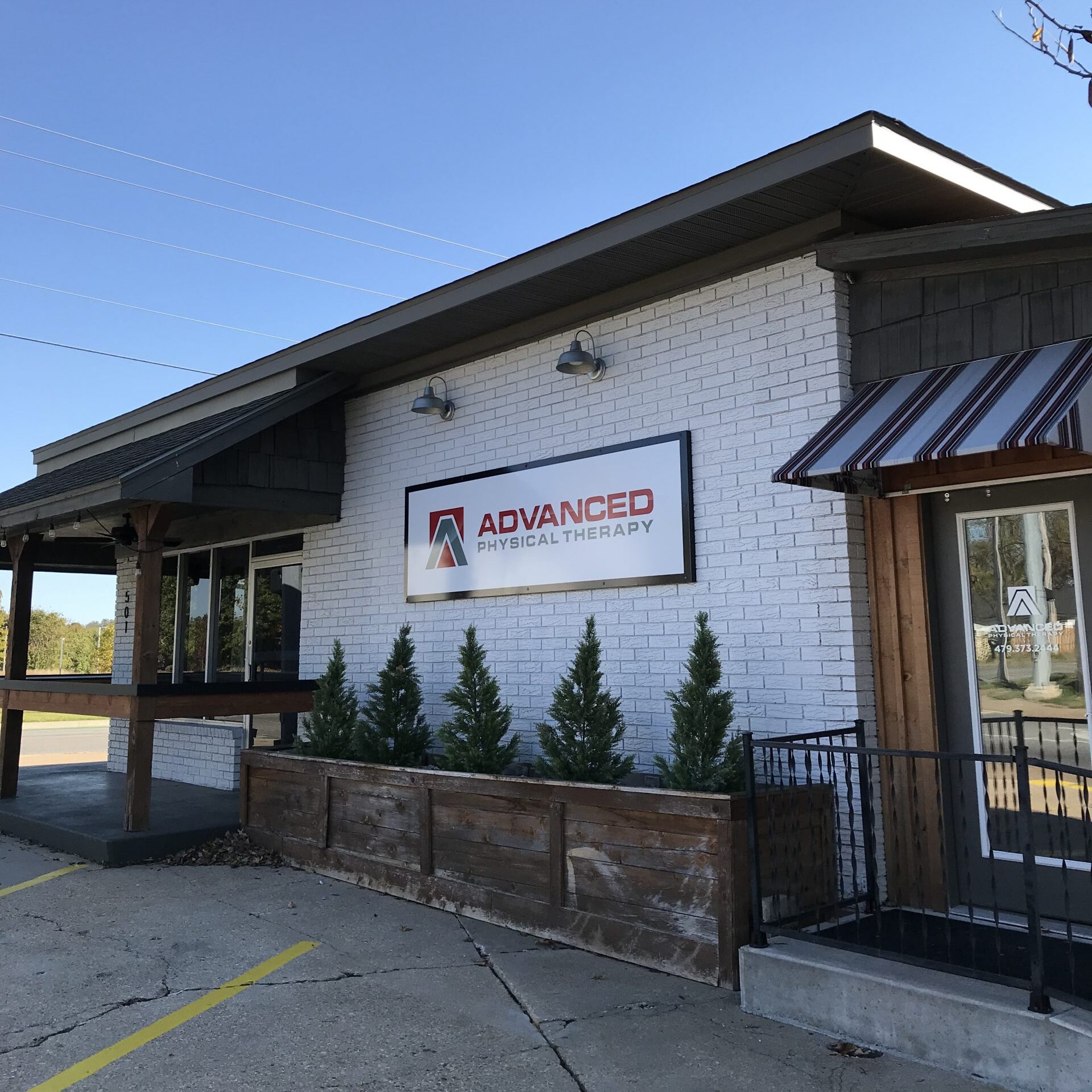
Why Advanced Physical Therapy LLC is The Best Facility in Arkansas for Recovery and Wellness?
Carolyn PrattSeptember 24, 20250 Comments
Why Advanced Physical Therapy LLC is The Best Facility in Arkansas for Recovery and Wellness?
Living with pain, limited movement, or the lingering effects of injury can feel overwhelming. Whether it’s recovering from surgery, struggling with mobility, or needing help to regain independence, having the right partner for healing is essential. In Arkansas, one name stands out, Advanced Physical Therapy LLC. With state-of-the-art rehabilitation services, personalized treatment, and compassionate care, this leading facility has become the trusted choice for patients across Northwest and Central Arkansas.
Comprehensive Care That Goes Beyond Expectations
Every recovery journey is unique. At Advanced Physical Therapy LLC, patients benefit from tailored programs that combine expert diagnosis, targeted exercise, and hands-on treatment. The focus is not just on easing pain but also on helping individuals reclaim the lifestyle they love. From post-surgical rehab to sports-related injuries, the therapists create a roadmap designed for lasting results. This comprehensive approach has earned the facility recognition as one of the most respected therapy providers in the region.
A Team of Expert Therapists in Arkansas
The strength of any clinic lies in its people. At Advanced Physical Therapy LLC, each physical therapist is dedicated to guiding patients through every stage of recovery. Our expertise spans multiple specialties, including orthopedic rehabilitation, balance training, and manual therapy.
For those seeking additional support, the clinic also provides occupational therapy and speech therapy, giving patients access to a full spectrum of rehabilitation care under one roof. From improving daily functions to strengthening communication skills, every therapist works with precision and compassion.
Specialization in Orthopedic and Surgical Rehabilitation
Injuries and surgeries often require highly targeted rehabilitation. That’s why Advanced Physical Therapy LLC places a strong emphasis on orthopedic therapy and post-surgical recovery. Whether it’s a knee replacement, shoulder repair, or spinal surgery, the therapists use advanced manual techniques and carefully guided exercises to restore function. The goal is not just healing but helping patients regain mobility and confidence in their daily activities. This specialized care makes the facility a top choice for those in Northwest Arkansas and beyond.
Outpatient Therapy That Fits Everyday Life
Accessibility and convenience are essential for consistent progress. Patients don’t need to stay in a hospital to receive the highest-quality care. With outpatient therapy at Advanced Physical Therapy LLC, individuals can receive expert treatment while continuing their daily lives. Outpatient care focuses on rehabilitation that strengthens the body, improves wellness, and delivers real, lasting improvements. Patients from Rogers, Bentonville, Fayetteville, and even communities like Conway and Little Rock choose this facility for its trusted care and results-driven approach.
Full Range of Rehabilitation Services
Pain, weakness, or speech difficulties can affect every aspect of life. That’s why Advanced Physical Therapy LLC offers a full scope of services, including:
Physical Therapy – Targeted treatments to restore strength, balance, and function.
Occupational Therapy – Practical training to help patients manage daily activities more independently.
Speech Therapy – Professional guidance from a licensed pathologist to improve speech, swallowing, and communication.
Sports Injury Rehab – Helping athletes recover safely and return to peak performance.
Arthritis Therapy – Improving flexibility and reducing pain for long-term joint health.
Vertigo Treatment – Addressing balance and dizziness issues with proven rehabilitation techniques.
By providing diverse options, the facility ensures that each patient receives the right care for their unique challenges.
Convenient Locations in Arkansas and Missouri
One of the reasons Advanced Physical Therapy LLC is the preferred choice is its community-based presence. With clinics across Rogers, Bentonville, Fayetteville, Siloam Springs, Cassville, and Neosho, patients can access top-tier therapy close to home. The facility also serves the broader region, including residents of Central Arkansas, Little Rock, and Conway, making expert care available to more communities. This commitment to accessibility reflects our mission of bringing high-quality therapy to every corner of the region.
Evidence-Based Methods with Lasting Results
Rehabilitation is most effective when backed by proven science. At Advanced Physical Therapy LLC, every program is built on evidence-based methods. From expert manual therapy techniques to custom exercise regimens, the care team ensures that each session delivers measurable results. Patients report improvements not just in physical function but also in overall wellness, energy, and quality of life. This commitment to long-term success is what makes the facility the best in Arkansas.
Personalized Patient Care
Healing is not one-size-fits-all. At Advanced Physical Therapy LLC, therapists take the time to understand each patient’s condition, goals, and lifestyle. Whether it’s an athlete returning to the field, an older adult working on fall prevention, or someone recovering from surgery, treatment is customized for maximum impact. Patients are not just numbers. They are individuals whose health and well-being come first. This patient-centered philosophy has built a reputation of trust and excellence throughout Northwest and Central Arkansas.
A Modern Environment for Healing
The setting of care matters just as much as the treatment itself. Advanced Physical Therapy LLC provides modern, welcoming facilities equipped with the latest therapy tools and rehabilitation equipment. The environment is designed to inspire confidence, motivation, and progress. From the moment patients walk in, they feel supported in a space where recovery is not only possible but achievable.
Take Control of Your Health with The Best Physical Facility!
Living with pain and injuries can keep you from the activities you love & steal your joy. Life doesn’t have to be this way. Take back your life and stop living in pain.
Avoid expensive medical procedures
Increase your mobility and strength
Leave your pain behind you
Schedule Your Free Consultation
At Advanced Physical Therapy LLC, you’ll meet with a physical therapist who will carefully diagnose your condition, explain how therapy can help, and create a personalized plan—all at no cost to you.
Living a Pain-Free Life
We specialize in outpatient orthopedic physical therapy with an emphasis on diagnosis-specific, expert manual therapy techniques and guided exercises that help you feel better quickly.
With six clinics in Rogers, Fayetteville, Bentonville, Siloam Springs, Cassville, and Neosho, plus services reaching Little Rock, Conway, and Central Arkansas, expert therapy is always within reach.
Schedule a free consultation today ! Take Control of Your Health with Advanced Physical Therapy LLC.
Advanced Physical Therapy
3399 W Black Forest Dr Ste. 3, Fayetteville, AR 72701
The Londoner’s Toolkit: How to Find Authentic Relationships While Resisting Pressure
Fred DossSeptember 15, 20250 Comments
London is a city of constant motion, where the pressure to succeed often feels overwhelming. For many, this pressure extends beyond careers to personal life, with societal and familial expectations dictating who you should be with and when you should settle down. But in a city known for its diverse subcultures, there are powerful strategies you can use to resist these pressures and instead, build meaningful relationships that are truly authentic to you. These strategies are all about creating a strong internal compass and a supportive external network according to https://lifemagazineusa.com/.
First, personal reflection is your most powerful tool. In the noise of London, it’s easy to lose track of what you truly want. Taking just a few minutes each day to journal or simply sit with your thoughts can make all the difference. Ask yourself: “What do I genuinely want for my life and my relationships?” This practice filters out societal noise and opens the door to self-discovery, allowing you to build a life and a relationship on your terms, not someone else’s according to https://www.monkeskateclothing.com/.
Second, build a support network of like-minded people. Navigating societal norms alone can feel incredibly isolating. Finding a community of individuals who share your values and appreciate your unique perspective is crucial. Organisations and communities in London focused on hobbies, shared interests, or alternative living are great places to start. The reassurance of being part of a group that understands your choices and celebrates them is a huge motivator. This network can provide the encouragement you need to stand firm against traditional paths, reminding you that you are not alone in your journey.
Finally, and perhaps most importantly, educate those closest to you. This doesn’t have to be an intense confrontation. It can be as simple as having open and honest conversations with your family and friends about your chosen lifestyle and relationship goals. Sharing your insights into non-traditional lifestyles gradually dispels misconceptions and fosters an environment free from judgment. When your loved ones understand the meaning behind your choices, it can transform their resistance into support, allowing you to navigate life’s challenges with more confidence and less stress.
By using these three strategies—self-reflection, community-building, and open communication—you can create a solid foundation for a rich and fulfilling life in London. Embracing your individuality becomes not just possible but empowering. You can build a life and form relationships that align seamlessly with your own definition of success and happiness. This journey is uniquely yours, and the relationships you forge along the way will be all the more meaningful because they are based on a foundation of truth and authenticity.
Embracing New Beginnings: What to Expect When Moving to Texas for College
Abel SheltonSeptember 10, 20250 Comments
Starting college is one of the most exciting chapters in life, especially when it involves relocating to a new state. For many students, moving to Texas for college is more than just a change of scenery; it is a chance to explore a vibrant culture, experience diverse communities, and prepare for a promising future. Texas, with its rich blend of traditions, modern opportunities, and welcoming environment, is an excellent choice for students who are ready to take on both academic and personal growth.
A Warm Welcome to Texas Culture
One of the first things students notice upon arriving in Texas is the unique culture. Texas is well known for its Southern hospitality, where locals often greet strangers with friendliness and warmth. This atmosphere can make the transition less intimidating for new students who are far from home. Beyond the welcoming people, Texas offers a mix of big-city energy and small-town charm, allowing students to choose the lifestyle that suits them best.
Affordable Education and Living Costs
Texas has earned a reputation for being one of the more affordable states to live and study in. While tuition varies depending on the institution, students often find that public universities and community colleges in Texas offer excellent value compared to schools in other states. Additionally, the cost of living in many Texas cities is lower than the national average.
Whether renting an apartment off-campus, sharing housing with roommates, or living in a dorm, students can usually find reasonable options that fit within their budgets. Groceries, utilities, and entertainment are also more affordable, giving students the freedom to enjoy their college years without constantly stressing about finances.
Academic Opportunities Across the State
Texas is home to some of the most respected universities and colleges in the nation. Institutions such as the University of Texas system, Texas A&M University, and Rice University are well known for their academic excellence and research opportunities. For those seeking smaller class sizes and a more personalized experience, community colleges and private universities also provide strong educational programs.
The Texas Lifestyle
Life in Texas is dynamic and filled with opportunities for fun, growth, and exploration. Outdoor enthusiasts can enjoy activities such as hiking in state parks, swimming in natural springs, and exploring the Gulf Coast. Sports fans will feel right at home in a state that takes pride in football, basketball, baseball, and more.
Food is another highlight of living in Texas. Students can indulge in a wide variety of flavors, from authentic Tex-Mex and barbecue to international cuisines found in urban centers. Food trucks, diners, and late-night taco spots are often favorites for college students looking for affordable and delicious meals.
Transportation and Getting Around
Adjusting to transportation in Texas depends on the city where a student lives. While major urban centers like Austin and Dallas have public transit systems, many students find that having a car is more convenient for getting around. Texas is a vast state, and traveling between cities for events, weekend trips, or family visits is common.
Building a New Community
For students leaving their home state, building a new support system can feel overwhelming at first. Fortunately, Texas colleges offer countless opportunities to get involved. From academic clubs and cultural organizations to sports teams and volunteer programs, there are endless ways to connect with others.
Friendships formed during college often last a lifetime, and Texas provides the perfect environment to meet people who share similar interests and goals. With so many communities across the state, students rarely feel isolated for long.
Preparing for the Journey
Moving to a new state for college requires planning and preparation. Students should consider what items to bring, how to arrange housing, and whether to ship or transport belongings. Making checklists, budgeting for expenses, and familiarizing themselves with the local area can ease the transition. Many universities provide resources for new students, including orientation programs, housing guides, and financial aid counseling.
Conclusion
Choosing to attend college in Texas is more than just an academic decision; it is a lifestyle choice that opens doors to new opportunities, friendships, and experiences. Students gain not only a high-quality education but also the chance to immerse themselves in a culture rich with history, diversity, and growth. Moving away from home may feel intimidating at first, but Texas offers a welcoming and exciting place to begin the next chapter of life. For those ready to take on the challenge, Texas proves to be an inspiring destination to call home during the college years.
Finding a meaningful relationship is often a journey of both self-discovery and shared experience. For people with disabilities, the dating landscape, particularly in a vibrant city like London, can feel like a maze. However, the path to a lasting connection is built on a simple yet profound truth: love flourishes when it is nurtured through shared understanding and a commitment to authenticity. This isn’t just about finding someone special; it’s about fostering an environment where both individuals feel valued and seen according to https://www.londonforfree.net/the-ultimate-guide-to-london-entertainment-parks-festivals-and-more/.
The success stories we hear from couples in London’s inclusive dating scene often highlight the importance of community. Whether it’s meeting at a support group, a social event, or an inclusive online platform, the initial connection is often rooted in a shared background or a common understanding of life’s challenges. This foundation allows for a deeper level of empathy from the start. As one person put it, “Finding someone who understood and accepted my challenges was life-changing.” This feeling of being truly seen is the first step toward a strong and resilient partnership according to https://hedonistshedonist.com/blog/7-must-see-attractions-near-heathrow-airport/.
But finding a connection is only the beginning. Nurturing it into a lasting relationshiprequires ongoing effort. One of the most effective ways to do this is through open and honest communication. This means talking about personal experiences, needs, and feelings without fear of judgment. It’s about creating a safe space where both partners can be vulnerable. When you take the time to listen actively and truly hear what your partner is saying, you are showing them that their feelings matter. This builds trust and strengthens the emotional bond between you.
In the midst of busy lives, rituals can become a powerful tool for maintaining this connection. Simple “check-ins,” where you and your partner take a moment to talk about your day, your feelings, or any concerns, can prevent small issues from growing into big problems. These conversations show a mutual commitment to the relationship and create a sense of shared responsibility.
The journey to a lasting relationship is also about celebrating each other’s unique strengths and stories. Every individual brings their own set of experiences to the partnership, and recognizing and honoring these can deepen your bond. When a couple sees themselves as a team, working together to navigate life’s challenges, they become stronger together. This is where resilience meets opportunity—where love thrives in the face of adversity.
Ultimately, the path to a meaningful and lasting relationship for people with disabilities involves actively seeking out communities and platforms that are built on the principles of inclusion and understanding. It’s about more than just finding companionship; it’s about finding a partner who values your journey and is committed to building a life together based on mutual respect, empathy, and unwavering support. And as these incredible stories from London prove, when you find that person, the love you share will be all the more profound and meaningful.
The Role of Community: Strengthening LGBTQ+ Relationships in London
Fred DossSeptember 8, 20250 Comments
In a city as large and diverse as London, finding your place and a sense of belonging can be transformative, not just for individuals but for couples as well. Engaging with the wider LGBTQ+ community offers a powerful way to strengthen your relationship, providing a shared support system and enriching your partnership in unique ways. By connecting with others who share similar experiences, you and your partner can build a stronger bond and a richer life together according to https://galeon.com/.
London has a thriving LGBTQ+ community, from the iconic Soho neighborhood to community centers, sports leagues, and activist groups across the city. Participating in community events together can be a great way to reinforce your connection. You could attend a Pride event, join a local queer book club, or volunteer for an LGBTQ+ charity. These shared activities create new memories and give you a sense of purpose beyond your immediate partnership. They show that your love story is part of a larger, vibrant narrative.
Community also serves as a vital support network. Relationships, even the healthiest ones, face challenges. Having friends and peers who understand the unique dynamics and experiences of a queer relationship can be incredibly helpful. Whether it’s a friend who can relate to a coming-out story or a group that can offer advice on navigating family acceptance, a strong community provides a safety net and a sense of shared understanding. This support can alleviate pressure on the relationship, allowing you to lean on others when needed according to https://psychtimes.com/.
Beyond social and emotional support, engaging with the community can also be a source of personal growth. Learning from the experiences of other couples can offer new perspectives on communication, conflict resolution, and intimacy. For example, hearing how another couple navigated a long-distance period or a career change can provide inspiration and practical advice. This shared wisdom helps you both grow as individuals and as a unit.
Ultimately, a strong relationship isn’t just about the two people in it; it’s about the network of love and support that surrounds them. By actively participating in London’s diverse and welcoming LGBTQ+ community, you and your partner can build a life that is not only fulfilling for you both but also a positive part of a larger, collective story. This engagement helps to solidify your partnership and adds layers of meaning to your shared journey.
Building Your Dating Toolkit: Strategies for Self-Esteem and Connection
Fred DossSeptember 5, 20250 Comments
London’s dating scene can be as exhilarating as it is intimidating. With so many people to meet, it’s easy to feel lost or insecure. But a fulfilling dating life starts with a strong sense of self-worth. Building this positive self-image begins with everyday habits. One of the most powerful strategies is to incorporate mindfulness and self-care into your daily routine.
Start with daily affirmations. When you consistently tell yourself, “I am deserving of love and respect,” it begins to change your mindset. This practice of self-love creates a strong foundation for all your interactions, especially in dating. Combine this with regular physical activity—whether it’s a brisk walk through a London park, a yoga session, or hitting the gym. Being active not only helps your physical body but also enhances your mental well-being and self-perception. It’s a wonderful cycle that feeds itself, allowing you to feel better about yourself each day according to https://www.exposedmagazine.co.uk/features/dating-expert-for-finding-love/ .
However, a healthy dating life isn’t just about physical wellness. It’s also about mental and emotional well-being. Don’t hesitate to seek professional help or counseling if you need it. Understanding your own emotional landscape is a critical step towards healthier relationships.
Another crucial element of your dating toolkit is setting realistic expectations. Recognize that no one is perfect, including yourself. Embracing this truth can revolutionize your self-esteem. Instead of fixating on perceived weaknesses, focus on your strengths. Make a list of things you admire about yourself—from your sense of humor to your creative skills—and revisit it whenever you need a boost. This simple exercise can remind you of your unique qualities and the value you bring to a relationship according to https://www.sippycupmom.com/meet-your-significant-other-online-practical-dating-tips-to-follow/.
Lastly, find communities that advocate for body positivity and self-acceptance. Engaging with like-minded individuals can provide much-needed support and inspiration during tough times. Realizing you’re not alone in your feelings can significantly bolster your confidence. Remember, everyone has insecurities; what matters most is how you address and manage yours. These practices won’t eliminate societal pressures, but they act as a shield, equipping you to navigate dating in London with newfound confidence and authenticity.